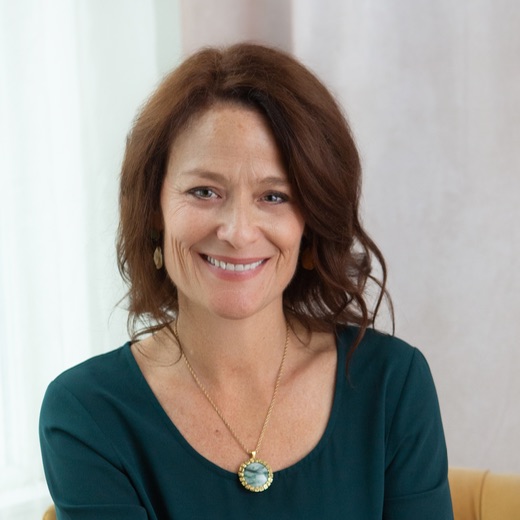
Understanding the Basics of Self-Esteem
Self-esteem is the way you see and value yourself—your sense of worth and capability. It includes your beliefs about who you are and how you feel about your strengths and challenges. Self-esteem can change over time and is shaped by life experiences, relationships, and community messages. It isn’t about being perfect; it’s about having a balanced, realistic view of yourself. In Minneapolis, factors like school, work, and social connections can all influence how you feel about yourself day to day.
Healthy self-esteem often looks like self-respect, knowing your strengths, accepting your limits, and setting boundaries, while low self-esteem can show up as harsh self-criticism, constant doubt, or avoiding new challenges. Being aware of where your self-esteem stands matters because it affects your mood, decisions, relationships, and performance at work or school. Awareness helps you notice patterns, build supportive habits, and seek help when you need it. Small steps—like practicing self-compassion or connecting with supportive people—can make a real difference. If you’re in Minneapolis, it may help to explore local resources and community supports to grow your confidence and well-being.
Who Can Experience Self-Esteem
Anyone can experience challenges with self-esteem, regardless of age, gender, culture, or background. It’s especially common during life transitions or stress, such as adolescence, parenthood, aging, major career or relationship changes, or when facing discrimination or trauma. People who are frequently exposed to social comparison or social media pressures may also notice more self-esteem ups and downs. These experiences are normal and valid, and support is available for everyone.
Signs You Might Notice
It’s okay to wonder about your self-esteem—many people in Minneapolis notice shifts at different times in life. If you’re seeing some of these patterns, it can be a gentle signal to check in with yourself and consider support. You’re not alone, and small steps can help.
- Frequent self-criticism or negative self-talk
- Difficulty accepting compliments or recognizing your strengths
- Comparing yourself to others and feeling “less than”
- Avoiding new challenges for fear of making mistakes
- Over-apologizing or feeling responsible for things that aren’t yours to carry
- Feeling undeserving of success, care, or kindness
- Pulling back from social situations due to worry about judgment
Factors That Contribute to Self-Esteem
Self-Esteem is shaped by many parts of life—some within our control and many that aren’t. If you’re struggling, it’s not a personal failing. Understanding these influences can help you find compassionate, practical steps forward.
- Biological
- Genetics and temperament
- Brain chemistry and hormonal changes
- Sleep quality and physical health
- Psychological
- Thinking patterns (self-talk, perfectionism)
- Past experiences and trauma
- Coping skills and emotion regulation
- Environmental
- Family and cultural messages
- Peer relationships and social support
- School, work, and community experiences
The Impact of Self-Esteem on Daily Living
Self-esteem shapes how you see yourself and move through daily life. Here in Minneapolis—whether you’re commuting on Metro Transit, studying on campus, or spending a quiet moment by the lakes—small shifts in self-worth can change how connected and capable you feel. You’re not alone, and support is available.
- Work and career: Confidence in meetings, job searches in the Twin Cities market, speaking up and advocating for fair pay.
- School and learning: Participating in class at UMN or local colleges, asking for help, staying motivated with coursework.
- Relationships and community: Making friends in your neighborhood, joining local groups, setting boundaries, feeling worthy of support.
- Physical health: Motivation for winter walks on the parkways, sleep and eating patterns, keeping medical or wellness appointments.
- Emotional well-being: Coping with stress and long winters, managing anxiety or low mood, building resilience.
- Daily routines and self-care: Getting out the door on cold mornings, keeping up with chores and hygiene, following through on plans.
- Recreation and social life: Saying yes to invites, attending festivals and Open Streets, enjoying lake days and community events.
Proven Paths to Recovery
Everyone’s confidence grows at a different pace. With the right tools, support, and steady practice, it’s possible to build a kinder view of yourself and feel more capable day to day.
- Cognitive Behavioral Therapy (CBT): Helps you spot unhelpful thoughts, test them against facts, and practice new skills that build realistic, positive self-beliefs.
- Acceptance and Commitment Therapy (ACT): Teaches mindful acceptance of tough thoughts and feelings while taking small, values-based actions that strengthen confidence over time.
- Compassion-Focused or Self-Compassion Training: Reduces harsh self-criticism and builds a warmer inner voice, which supports resilience and healthier self-worth.
- Group Therapy or Peer Support: Offers a safe place to share experiences, learn skills together, and receive encouragement that challenges isolation and boosts self-esteem.
- Medication Management (when depression/anxiety are present): Treating underlying mood or anxiety symptoms with evidence-based medications can lift barriers to confidence and engagement in therapy.
- Lifestyle Approaches (exercise, sleep, mindfulness, purpose-driven activities): Regular movement, good rest, and mindful practices improve mood and energy, while strengths-based activities reinforce a sense of competence and worth.
Beginning Your Journey with Self-Esteem Therapy
Beginning your journey with self-esteem therapy often starts by noticing patterns—self-criticism, second-guessing, or avoiding opportunities—and deciding you’re ready for support. Use the MiResource directory to explore licensed therapists in Minneapolis; you can filter by therapy approach (like CBT, ACT, or psychodynamic), insurance (Blue Cross Blue Shield of Minnesota, Medica, HealthPartners, UCare), real-time availability (evenings, weekends, telehealth), language (Spanish, Somali, Hmong, and more), and neighborhood. Many people choose providers near where they live or commute—think Uptown, North Loop, Northeast, Longfellow, Powderhorn, Linden Hills, Whittier, or Dinkytown—to make showing up easier.
Compare a few options, read bios, and book a first session to discuss goals and fit. Consider practical factors like access via METRO Blue/Green Line stations, frequent bus routes along Hennepin, Nicollet, and University Ave SE, bike lanes, or winter driving on I-35W and I-94; aim for times that avoid rush hour or align with your class/work schedule. After the initial meeting, set a follow-up plan—weekly or biweekly is common—and agree on homework or skills practice between sessions. Revisit fit after a few appointments; MiResource makes it simple to adjust filters and find another therapist if your needs or schedule change.
Minneapolis offers welcoming, community-based options to build self-esteem alongside MiResource’s therapist directory, from free walk-in counseling and peer-led groups to family services and youth programs rooted in neighborhoods like Uptown, Northeast, Cedar-Riverside, and along Lake Street; these organizations create low-barrier spaces to practice skills, find encouragement, and connect with others between therapy sessions.
- Walk-In Counseling Center (near Midtown Global Market/Chicago Ave): Free, no-appointment counseling and support to boost coping and confidence for adults and older teens.
- The Family Partnership (E Lake Street, Phillips): Sliding-scale counseling, groups, and classes focused on resilience, relationships, and self-worth for individuals and families.
- NAMI Minnesota (groups across Minneapolis and online; Minneapolis Central Library/Downtown): Free peer-led mental health support groups that help build self-esteem and community.
- Washburn Center for Children (Glenwood Ave near Bryn Mawr): Therapy and skills groups for children, teens, and families to strengthen self-esteem and emotional wellbeing.
- Hennepin County COPE Mobile Crisis (citywide; based near HCMC/U.S. Bank Stadium): 24/7 crisis support and stabilization, connecting residents to short-term services that reinforce safety and self-efficacy.
If you’re struggling with self-esteem and it feels urgent or overwhelming, you’re not alone—help in Minneapolis is available 24/7. Reach out if you feel unsafe, can’t stop distressing thoughts, or need immediate support; trained responders can talk with you, connect you to local resources, or meet you where you are.
- If you are in immediate danger or feel unsafe, call 911 and state it’s a mental health emergency; you can request a CIT-trained officer. You can also go to a nearby ER: Hennepin Healthcare (HCMC) Emergency Department, 730 S 8th St, Minneapolis, 612-873-3000; Abbott Northwestern Hospital ER, 800 E 28th St, 612-863-4000.
- Call or text 988 (Suicide & Crisis Lifeline) or chat at 988lifeline.org for 24/7 support.
- Contact Hennepin County Mobile Crisis: Adults 612-596-1223; Children/Teens 612-348-2233. They provide 24/7 phone support and can come to your location.
- If you’re not in immediate danger but need urgent in-person care, go to an ER listed above or the nearest hospital and ask for a mental health evaluation.
Nature and Well-Being in Minneapolis
Spending time outdoors can gently boost self-esteem by offering small, achievable wins—like finishing a loop around a lake—and a calm space to notice your strengths. Natural settings can reduce stress, clear your mind, and help you reconnect with what you value. Try setting a simple intention before you head out, then reflect on one thing you appreciated about yourself during the visit. Consistent, short outings can build momentum and confidence over time.
1) Walk a lap around Lake Harriet or Bde Maka Ska (Chain of Lakes) and pause at the shore to practice slow, steady breathing.
2) Visit Minnehaha Regional Park; follow the trail to the falls, then take the creek path for a quiet, reflective stretch.
3) Bike or stroll the Midtown Greenway and set a small goal (e.g., 10–20 minutes) to build a sense of accomplishment.
4) Explore Theodore Wirth Park’s Quaking Bog or Eloise Butler Wildflower Garden for a slower, nature-immersive reset.
Questions People Often Ask About Self-Esteem
1. How do I know if I need professional help for Self-Esteem?
Consider reaching out for support if low self-esteem is making it hard to focus at work or school, leading you to withdraw from friends or family, or causing persistent worry or self-criticism. You might also notice changes in sleep or appetite, feeling “not good enough,” or avoiding opportunities you’d normally want to try. If these patterns are sticking around for more than a couple of weeks or disrupting your daily life, therapy can help you build confidence and coping tools. You don’t have to do this alone—taking the step to talk with a professional is a strong, practical move toward feeling better.
2. What’s the first session of Self-Esteem therapy like?
In your first self-esteem session, you’ll meet the therapist, go over confidentiality, and share a bit about your background at a pace that feels comfortable. You’ll discuss current concerns—like self-criticism, perfectionism, people-pleasing, or negative self-talk—and how they show up in daily life at work, school, or relationships. Together you’ll review symptoms or patterns that affect your mood, confidence, and choices. You’ll then set clear, realistic goals for treatment and agree on a plan for next steps.
3. Are there lifestyle changes that can help with Self-Esteem?
Yes, small lifestyle shifts can boost self-esteem. Regular exercise builds a sense of mastery and improves mood, helping you feel more capable. Consistent sleep and balanced nutrition steady energy and focus, making it easier to challenge negative self-talk and follow through on goals. Mindfulness practices like breathing, meditation, or journaling increase awareness and self-compassion, reducing harsh inner criticism—and these self-care tools work well alongside professional therapy for lasting change.
4. Can Self-Esteem affect physical health too?
Yes—low self-esteem can contribute to physical symptoms like muscle tension, headaches, stomach issues, sleep problems, and fatigue through chronic stress and heightened self-criticism. The mind-body connection means our thoughts and feelings can influence hormones, nervous-system activation, and how the body holds stress. Working on self-esteem in therapy can reduce stress, improve coping, and often leads to better sleep, energy, and overall physical well-being.