Find a Therapist for Self-Esteem in Radford

Medically reviewed by Gabriela Asturias, MD on May 23, 2025
Written by the MiResource team

If you’re looking for self-esteem support in Radford, this page explains what self-esteem means, what support options may help, and how to connect with a therapist nearby. You’ll also find practical guidance for finding care in a town where transit is limited.

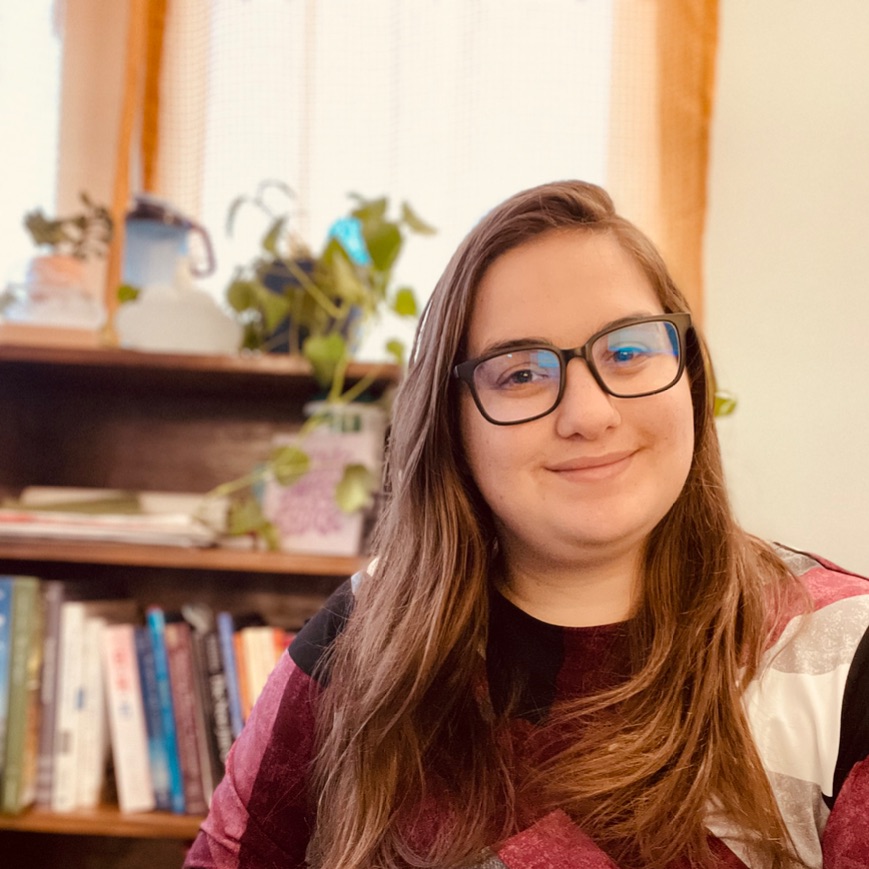
  • Michelle Litwer, Psychologist

    Michelle Litwer

    Psychologist

    Remote only

    Michelle Litwer is a Psychologist in undefined, undefined and has been in practice for 8 years. They treat Self Esteem, Racial Identity, Depression.

    My main objective is to help clients manage their emotions, make decisions that are line with their values, and to live fulfilling and meaningful lives.

    View profile
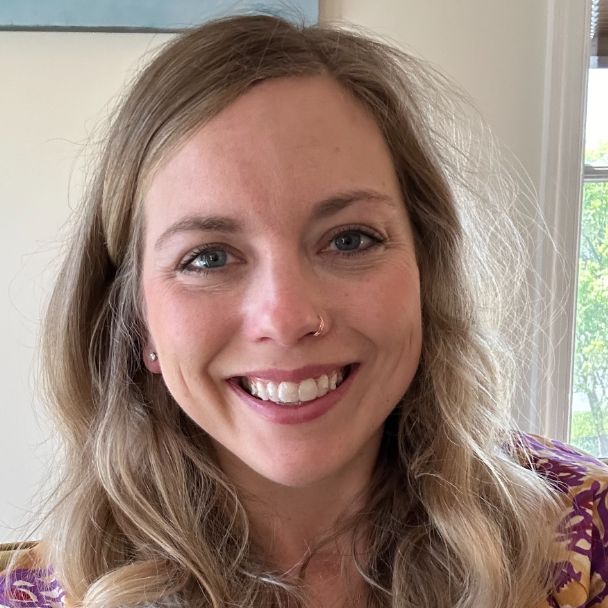
  • Heather Whitney, Licensed Clinical Mental Health Counselor (LCMHC)

    Heather Whitney

    Licensed Clinical Mental Health Counselor (LCMHC), Licensed Professional Counselor (LPC)

    Remote only

    Heather Whitney is a Licensed Clinical Mental Health Counselor (LCMHC) in undefined, undefined and has been in practice for 28 years. They treat Self Esteem, Depression, Relationship(s) with Parents/Children/Family.

    I have a group practice. We have combined over 26 years of experience. We work with our clients to empower them to live their best lives.

    View profile
  • Stephen Barlow, Licensed Professional Counselor (LPC)

    Stephen Barlow

    Licensed Professional Counselor (LPC)

    5540 Falmouth Street, Richmond, Virginia 23230

    Stephen Barlow is a Licensed Professional Counselor (LPC) in Richmond, Virginia. They treat Self Esteem, Sleep Concerns, Social Anxiety.

    I help people overcome anxiety, depression, and stress stemming from relationships or past experiences, in individual or couples counseling.

    View profile
  • Brittany Sullivan, Licensed Professional Counselor (LPC)

    Brittany Sullivan

    Licensed Professional Counselor (LPC)

    4000 Olympia Circle, Charlottesville, Virginia 22911

    Brittany Sullivan is a Licensed Professional Counselor (LPC) in Charlottesville, Virginia and has been in practice for 2 years. They treat Self Esteem, Posttraumatic Stress Disorder (PTSD), Relationship(s) with Parents/Children/Family.

    Therapy for teens, adults & couples navigating anxiety, overthinking, people-pleasing, and relationship stress toward clarity and connection.

    View profile
  • Christy Hofsess, Psychologist

    Christy Hofsess

    Psychologist

    Remote only

    Christy Hofsess is a Psychologist in undefined, undefined and has been in practice for 4 years. They treat Self Esteem, Relationship(s) with Partner/Husband/Wife, Work/Life Balance.

    My mission is to help individuals and couples reach their full potential for connection and growth using a holistic and culturally responsive approach.

    View profile
  • Carlin Anderson, Psychologist

    Carlin Anderson

    Psychologist, Sport Psychologist

    7401 Metro Boulevard, Edina, Minnesota 55424

    Carlin Anderson is a Psychologist in Edina, Minnesota and has been in practice for 22 years. They treat Self Esteem, Depression, Attention Deficit Hyperactivity Disorder (ADHD).

    Grounded in empathy and evidence-based interventions, we are 20+ sport psychology experts providing service & care to individuals, teams, & sport orgs.

    View profile

Understanding Self-Esteem

Self-esteem refers to how you think and feel about yourself, including your sense of worth, confidence, and self-respect. It can affect thoughts, emotions, body sensations, and behavior, such as the way you talk to yourself, how comfortable you feel around others, and whether you avoid or take on challenges. It exists on a spectrum, from mild self-doubt to more disruptive patterns that can make daily life harder. It is a recognized mental health concern and not a personal flaw. In Radford, a clear understanding of self-esteem can help you notice what is bothering you and explain it more clearly when you look for support.

A clear label can also make it easier to search for the right kind of help, especially when provider options are limited and waitlists are common during semesters. It gives you a simple way to describe what you are experiencing, so you can focus on finding support that fits your needs.

Common Signs and Symptoms

Low self-esteem often shows up as a steady pattern of doubting yourself, discounting your strengths, or assuming other people are judging you. It may be easier to notice in everyday choices, like avoiding opportunities, needing frequent reassurance, or downplaying good things that happen.

  • Frequently apologizing for small things or taking blame quickly
  • Turning down invitations, tasks, or chances to speak up because of fear of being wrong
  • Needing repeated reassurance before making simple decisions
  • Talking about yourself in a harsh, self-critical way
  • Comparing yourself to others and focusing mostly on what you lack
  • Struggling to accept praise, compliments, or recognition
  • Putting off goals or responsibilities because you expect to fail

Why This Happens

In Radford, self-esteem can be shaped by a mix of biological, psychological, and environmental influences. Temperament, stress sensitivity, mood changes, past experiences, family relationships, peer feedback, school or work pressure, and social comparison can all play a part. Limited support, ongoing stress, isolation, or repeated setbacks may make it harder to feel confident, but low self-esteem is not a personal failing. It often develops over time and can change with support, healthier routines, and encouraging relationships.

How Treatment Works

Treatment is usually a mix of skills, support, and sometimes medication, depending on your symptoms and goals. For self-esteem, the focus is often on building practical ways to think about yourself, cope with setbacks, and use support that fits your daily life.

  • CBT can help you notice unhelpful self-talk and replace it with more balanced thoughts. In everyday terms, it can make criticism feel less overwhelming and help you recover faster from mistakes.
  • ACT can help you make room for hard feelings without letting them run your choices. It may support you in doing what matters to you even when self-doubt shows up.
  • DBT skills can help with managing big emotions, staying steady under stress, and handling conflict more calmly. These tools can make day-to-day life feel more manageable when confidence drops.
  • Trauma-informed therapy can help if past experiences are affecting how you see yourself now. It aims to create a safer space so you can work on trust, boundaries, and self-worth at a pace that feels manageable.
  • Group therapy or peer support can help you realize you are not dealing with this alone. Sleep routines, stress management, and other healthy habits can also support steadier moods and make it easier to keep up with treatment.

In Radford, focus on finding a provider who is experienced with self-esteem and feels like a good fit for you.

Finding the right provider in Radford

What training do you have in treating self-esteem concerns, and how much experience do you have with this condition? What approach do you use, and how do you tailor it to each person’s needs? What does a typical session look like, and do you offer in-person or virtual appointments? How do you handle scheduling, especially since waitlists can be common during semesters and insurance-based availability varies?

Local Care Logistics in Radford

In Radford, self-esteem support can be complemented by community-based connections that help with navigation, peer support, and steady routines outside therapy. New River Valley Community Services may be a place to contact for broader community support and help connecting with local resources, while NAMI New River Valley can be useful for peer connection and family support. Radford University Counseling and Psychological Services may be relevant for students who want campus-based counseling or student support services. Regular time in places like Bisset Park, the Radford Riverway Trail, or other local parks can also support confidence-building through routine, movement, and low-cost community wellness. With limited local provider availability, transportation outside the town core, and semester-driven demand, nearby and campus-based supports can be especially helpful.

Taking Care of Your Mental Health in Radford

Spending time outdoors in Radford, VA can support day-to-day mental health while coping with Self-Esteem by giving you a low-pressure way to reset, move your body gently, and settle your thoughts. A short walk, sitting outside, or following an easy trail can create routine and a small sense of accomplishment without asking for much social energy. Time in green spaces can also help with mood and nervous-system regulation, especially when days feel crowded by school, work, or seasonal changes in town. In a compact town like Radford, choosing nearby outdoor spots can make it easier to fit in a calm break even when transportation is limited outside the core.

Bisset Park — easy walking and a simple place to spend a little time outside.

Wildwood Park — a quieter option for a low-pressure reset.

Radford Riverway Trail — good for gentle movement and an unhurried walk.

Sunset Park — a straightforward place to sit and take a break.

Dudley’s Landing — useful for a calm outdoor pause by the water.

When to Seek Immediate Help

If self-esteem concerns turn into thoughts of self-harm, inability to stay safe, severe panic, or a sudden crisis that feels unmanageable, use emergency services right away. Call 988 for immediate crisis support, and call 911 if there is immediate danger or the person may act on suicidal thoughts. In Radford, go to Carilion New River Valley Medical Center or LewisGale Hospital Montgomery if urgent in-person evaluation is needed. If you need extra support before going, New River Valley Community Services Crisis Line (540-961-8400) and New River Valley Community Services (NRVCS) Mobile Crisis Team can help.

  1. Watch for warning signs such as talk of self-harm, hopelessness, inability to calm down, not eating or sleeping, or feeling unsafe.
  2. Call 988 for a crisis, call 911 for immediate danger, or use New River Valley Community Services Crisis Line (540-961-8400) for urgent local help.
  3. If in-person care is needed, go to Carilion New River Valley Medical Center or LewisGale Hospital Montgomery; in a compact town with limited transit, plan for a ride or drive if possible.
  4. Expect a safety-focused evaluation, questions about current risk, and guidance on the next steps, which may include more support from New River Valley Community Services (NRVCS) Mobile Crisis Team or hospital care.

Common Questions About Self-Esteem

Q: How do I know if I need a therapist for the condition? A: If self-esteem is making it hard to enjoy daily life, trust your judgment, or handle relationships, therapy may help. It can also be useful if negative self-talk keeps getting in the way of school, work, or social situations. In Radford, it may take some planning to find an open provider because access can be limited and waitlists are common during semesters. If you’re unsure, a therapist can help you sort out whether your concerns would benefit from support.

Q: What if I don’t feel a connection with my therapist? A: That can happen, and it does not mean therapy will not work for you. A good fit matters, especially for self-esteem work, because you need to feel safe being honest. You can bring up what is not working or look for someone whose style feels more comfortable. In a smaller place like Radford, options may be limited, but your comfort is still important.

Q: Is online therapy as effective as in-person therapy for the condition? A: Online therapy can be very effective for self-esteem concerns, especially if it helps you stay consistent and feel more at ease opening up. In-person therapy may feel better if you want face-to-face connection or a more structured setting. In Radford, online care can also help when transportation is difficult or local appointments are scarce. The best choice is often the one you can attend regularly and engage with honestly.

Q: What should I ask a potential therapist for the condition? A: You can ask about their experience helping people with self-esteem concerns and how they usually approach treatment. It is also helpful to ask what sessions will look like and how they measure progress. If you are choosing among limited local options in Radford, ask about availability, insurance, and whether they offer online sessions. You should also ask whether their style feels collaborative and supportive.

Q: Does therapy for the condition really work? A: Yes, therapy can help with self-esteem by teaching you to challenge harsh self-judgment and build a more balanced view of yourself. It may also help you notice patterns in relationships, habits, or thinking that keep confidence low. Progress often feels gradual, but many people find that steady support makes a real difference. In Radford, finding the right therapist may take patience, but the work can still be worthwhile.

Local Resources in Radford

MiResource can help you search for clinicians in Radford, VA who treat Self-Esteem. You can filter by insurance, specialty, and availability to find someone who fits your needs.

Find care for you

Recovery is possible. With early intervention, a supportive community, and the right professional care, you can overcome challenges and build a fulfilling life. We’re here to help you find the support you need.

Share: