Find a Therapist for Self-Esteem in Harrisonburg

Medically reviewed by Gabriela Asturias, MD on May 23, 2025
Written by the MiResource team

Welcome to a guide to Self-Esteem support in Harrisonburg, VA. You'll learn what self-esteem is, how treatment works, and how to find local therapists. We also note the bus system centered on campus and practical considerations like insurance, availability, and waitlists.

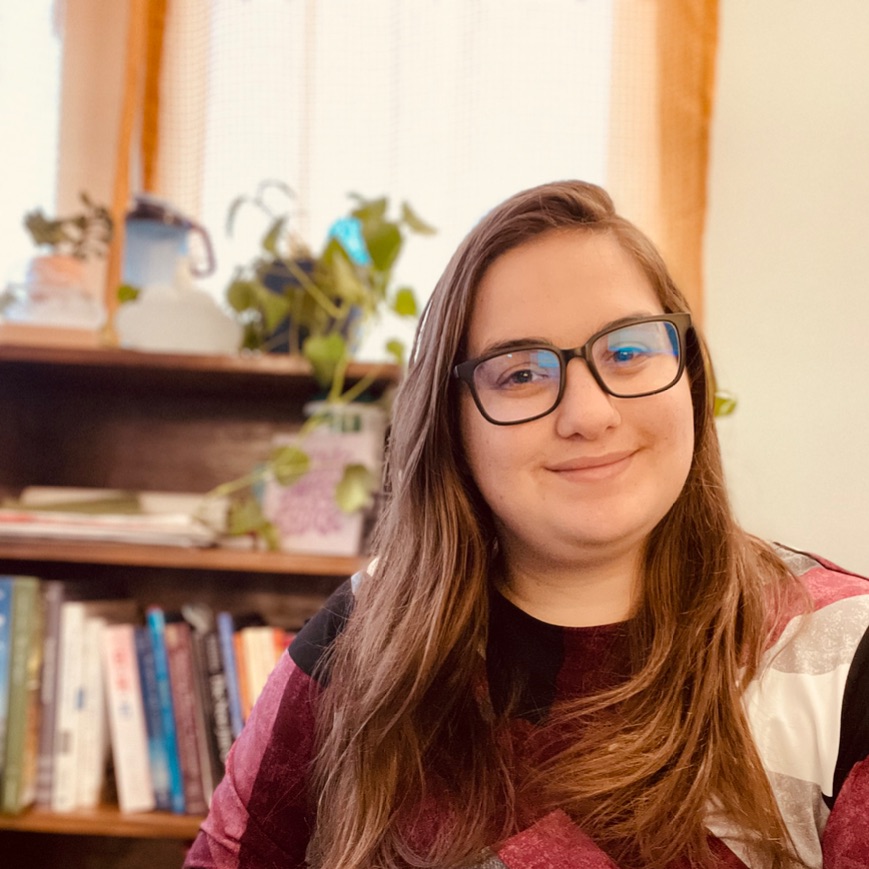
  • Michelle Litwer, Psychologist

    Michelle Litwer

    Psychologist

    Remote only

    Michelle Litwer is a Psychologist in undefined, undefined and has been in practice for 8 years. They treat Self Esteem, Loneliness/Isolation, Peer Difficulties.

    My main objective is to help clients manage their emotions, make decisions that are line with their values, and to live fulfilling and meaningful lives.

    View profile
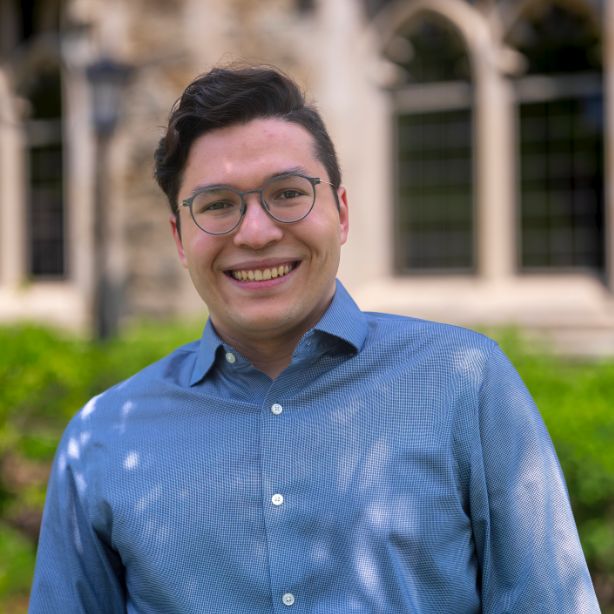
  • Stephen Barlow, Licensed Professional Counselor (LPC)

    Stephen Barlow

    Licensed Professional Counselor (LPC)

    5540 Falmouth Street, Richmond, Virginia 23230

    Stephen Barlow is a Licensed Professional Counselor (LPC) in Richmond, Virginia. They treat Self Esteem, Perfectionism, Anger Issues.

    I help people overcome anxiety, depression, and stress stemming from relationships or past experiences, in individual or couples counseling.

    View profile
  • Brittany Sullivan, Licensed Professional Counselor (LPC)

    Brittany Sullivan

    Licensed Professional Counselor (LPC)

    4000 Olympia Circle, Charlottesville, Virginia 22911

    Brittany Sullivan is a Licensed Professional Counselor (LPC) in Charlottesville, Virginia and has been in practice for 2 years. They treat Self Esteem, Posttraumatic Stress Disorder (PTSD), School Concerns.

    Therapy for teens, adults & couples navigating anxiety, overthinking, people-pleasing, and relationship stress toward clarity and connection.

    View profile
  • Christy Hofsess, Psychologist

    Christy Hofsess

    Psychologist

    Remote only

    Christy Hofsess is a Psychologist in undefined, undefined and has been in practice for 4 years. They treat Self Esteem, Relationship(s) with Partner/Husband/Wife, Life Transitions.

    My mission is to help individuals and couples reach their full potential for connection and growth using a holistic and culturally responsive approach.

    View profile
  • Elizabeth Hinkle, Licensed Marriage and Family Therapist (LMFT)

    Elizabeth Hinkle

    Licensed Marriage and Family Therapist (LMFT)

    Remote only

    Elizabeth Hinkle is a Licensed Marriage and Family Therapist (LMFT) in undefined, undefined and has been in practice for 21 years. They treat Self Esteem, Peer Difficulties, Gender Identity.

    I provide therapy to clients of all identities struggling with anxiety, depression, pandemic-related issues, work/school stress, and more!

    View profile
  • Robert Buzan, Psychologist

    Robert Buzan

    Psychologist, Psychotherapist, Counselor

    920B Martin Luther King Junior Boulevard, Chapel Hill, North Carolina 27514

    Robert Buzan is a Psychologist in Chapel Hill, North Carolina. They treat Self Esteem, Performance Anxiety, Anxiety.

    I am a clinical psychologist with extensive experience working with college students via telehealth. I welcome clients of all backgrounds.

    View profile

Understanding Self-Esteem

What the condition is Self-esteem refers to how you view and value yourself, including your sense of worth and capability. Challenges with self-esteem can shape thoughts (like self-criticism or doubt), influence emotions (such as shame, sadness, or anxiety), and show up in the body (tension, fatigue, or a “pit in the stomach”), as well as in behavior (avoidance, perfectionism, or people-pleasing). It exists on a spectrum—from mild, situational dips to more persistent patterns that interfere with daily life, relationships, or goals. Low or unstable self-esteem can also fluctuate based on stress, feedback from others, or life changes. This is a recognized mental health concern and not a personal flaw.

Having a clear name for what you’re experiencing can help you find the right kind of support, language, and tools. When you search for resources or talk with a professional in Harrisonburg, using a specific term like “self-esteem” can point you to approaches that target unhelpful thinking, difficult feelings, body cues, and behavior patterns. A clear label can also make it easier to track progress and communicate your needs to trusted people.

Common Signs and Symptoms

Self-esteem concerns show up as ongoing patterns, not just bad days—like frequent self-criticism, avoiding challenges, or needing repeated reassurance to feel okay. Notice whether these habits persist across school, work, and relationships and affect choices, motivation, and mood over time.

  • Often apologizing for small things or taking blame to keep the peace
  • Deflecting or minimizing compliments (“It was nothing,” “I just got lucky”)
  • Putting off new tasks or opportunities due to fear of not doing them “right”
  • Ruminating on minor mistakes long after they happen
  • Frequently seeking reassurance (“Was that okay?” “Are you sure you’re not upset with me?”)
  • Comparing yourself to others throughout the day and feeling deflated afterward
  • Avoiding speaking up, making decisions, or stating preferences; deferring to others’ choices

Why This Happens

Self-esteem concerns in Harrisonburg can stem from a mix of factors such as temperament, family dynamics, early experiences, and how the brain and body respond to stress. Social influences like peer comparison, discrimination, academic or job pressures, and life changes may add strain, while chronic health issues, trauma histories, or substance use can also play a role. These patterns usually reflect an interaction of biological, psychological, and environmental influences rather than any single cause. Difficulties with self-esteem are not a personal failing, and they do not mean someone is weak.

How Treatment Works

Treatment for Self-Esteem is usually a mix of learning skills, having supportive people, and sometimes medication, depending on your symptoms and goals. Many people improve by combining approaches that build confidence, challenge unhelpful thoughts, and strengthen daily habits.

  • Individual therapy can help you notice and change harsh self-talk, build self-compassion, and practice more balanced thinking. Approaches like CBT, ACT, DBT, or trauma-informed therapy are examples your therapist might draw from.
  • Group therapy or peer support can normalize your experience, offer encouragement, and give you a safe place to practice new skills with others who understand.
  • Skills-focused counseling or coaching targets practical goals like assertiveness, boundary-setting, and problem-solving so you feel more capable in school, work, and relationships.
  • Practical supports—like steady sleep routines, stress management, and small lifestyle habits—can lift mood, energy, and follow-through so confidence grows from daily wins. Choosing options close to you can help if the bus system is centered on campus and coverage is limited outside the city.
  • Telehealth or flexible scheduling can help if insurance acceptance varies and provider availability is limited, especially with waitlists common during the academic year. Ask about costs, insurance, and timing early.

In Harrisonburg, focus on finding a provider who is experienced with Self-Esteem and feels like a good fit for you.

Finding the right provider in Harrisonburg

Choose a therapist licensed in Virginia to ensure they can legally provide care where you live in Harrisonburg, especially for telehealth sessions. Many insurers require in-state licensure for reimbursement, so this can affect coverage and costs. MiResource can filter providers by Virginia licensure to help you find appropriate Self-Esteem support.

Local Care Logistics in Harrisonburg

Accessing support for self-esteem in Harrisonburg can take planning. Options cluster near Downtown, Old Town, University Area, and the Purcell Park Area, with demand surging around James Madison University and Eastern Mennonite University. The bus system is centered on campus and has limited reach elsewhere, so most people drive; if you rely on transit, look for providers near major campus routes. Insurance acceptance varies and waitlists are common during the academic year, reflecting limited provider availability.

Semester peaks, summer tourism, and holiday retail shifts can compress schedules, so booking ahead and considering off-peak times improves odds. To reduce friction: ask about telehealth to avoid transit gaps; request to be notified for cancellations; and join more than one waitlist if available. If you can, consider early morning or midday appointments to work around service-sector and academic hours.

Taking Care of Your Mental Health in Harrisonburg

  • Each morning, write one personal strength and one tiny, doable goal for the day (e.g., “reply to one email”). Snap a photo to keep it handy during busy academic or shift hours.
  • Take a 10–15 minute walk on the Bluestone Trail or at Purcell Park. Notice posture and breathing, then name three recent things you handled decently, however small.
  • Do one values-based micro-task (tidy a surface, prep a meal, review one note). Track effort, not outcome. Use a timer and plan around university-driven rush times and your commute.
  • Share one genuine appreciation daily (text, note, or quick thanks). If near campus, sit briefly at Edith J. Carrier Arboretum to reflect on how it felt and jot a line to discuss next session.

When to Seek Immediate Help

Seek emergency help for self-esteem issues if you or someone else has thoughts of suicide, self-harm, or harming others; has a plan or access to means; is unable to care for basic needs; or is experiencing severe, escalating distress that feels unmanageable. Call 911 for immediate danger or life-threatening situations, and go to the nearest emergency department. Call 988 for real-time support and safety planning if you’re not in immediate physical danger. Use local crisis services if you need rapid, in-person help.

1) Notice crisis signs: suicidal thoughts or plans, self-harm, intense hopelessness, withdrawal, inability to function at work/school, or escalating agitation. 2) Call 988 Suicide & Crisis Lifeline, Harrisonburg–Rockingham CSB Emergency Services (540-434-1941), or 911 for immediate danger; for children, contact Harrison‑Rockingham Community Services Board Children’s Mobile Crisis. 3) For in-person urgent care, go to Sentara RMH Medical Center; consider that the bus system is centered on campus with limited coverage outside the city, and most residents drive. 4) Expect a safety assessment, brief stabilization, and connection to follow-up care; the emergency department will evaluate medical and mental health needs, and crisis teams focus on de-escalation and safety planning.

Common Questions About Self-Esteem

Q: How do I know if I need a therapist for Self-Esteem? A: Consider therapy if self-criticism feels constant, you avoid opportunities because of doubt, or your mood and relationships are affected. If self-help hasn’t shifted patterns, a therapist can provide structure and skills. In Harrisonburg, getting on a waitlist early can help, especially during busy academic times. You deserve support even if your struggles seem “not bad enough.”

Q: What if I don’t feel a connection with my therapist? A: It’s common to need a little time to gauge fit, but your comfort matters. Share your concerns openly; many therapists will adjust their approach if you ask. If it still doesn’t feel right, it’s okay to switch. In Harrisonburg, where availability can be tight, ask about cancellation lists or telehealth options to broaden choices.

Q: Is online therapy as effective as in-person therapy for Self-Esteem? A: Both formats can help, and the best choice depends on your comfort, privacy, and routine. Online sessions can be great if transportation is a barrier or the bus system doesn’t serve your area well. In Harrisonburg, telehealth can expand options when local schedules are full. Some people prefer in-person for focus and connection, while others appreciate the flexibility of meeting from home.

Q: What should I ask a potential therapist for Self-Esteem? A: Ask how they approach self-esteem work and what a typical session looks like. Inquire about their experience with self-criticism, perfectionism, and confidence-building, and how progress will be tracked. Clarify scheduling, fees, insurance, and telehealth availability, especially given variable coverage in Harrisonburg. You can also ask about homework between sessions and how they tailor care to your background and goals.

Q: Does therapy for Self-Esteem really work? A: Yes, many people find it helps them challenge harsh beliefs, build self-compassion, and take healthier risks. Progress tends to come from practice between sessions and steady attendance. The right plan is collaborative and focused on your values and daily habits. If you’re not noticing change, discuss adjustments or consider a different therapist or format.

Local Resources in Harrisonburg

MiResource can help you search for clinicians in Harrisonburg, VA who treat Self-Esteem. You can filter by insurance, specialty, and availability to find someone who fits your needs.

Find care for you

Recovery is possible. With early intervention, a supportive community, and the right professional care, you can overcome challenges and build a fulfilling life. We’re here to help you find the support you need.

Share: