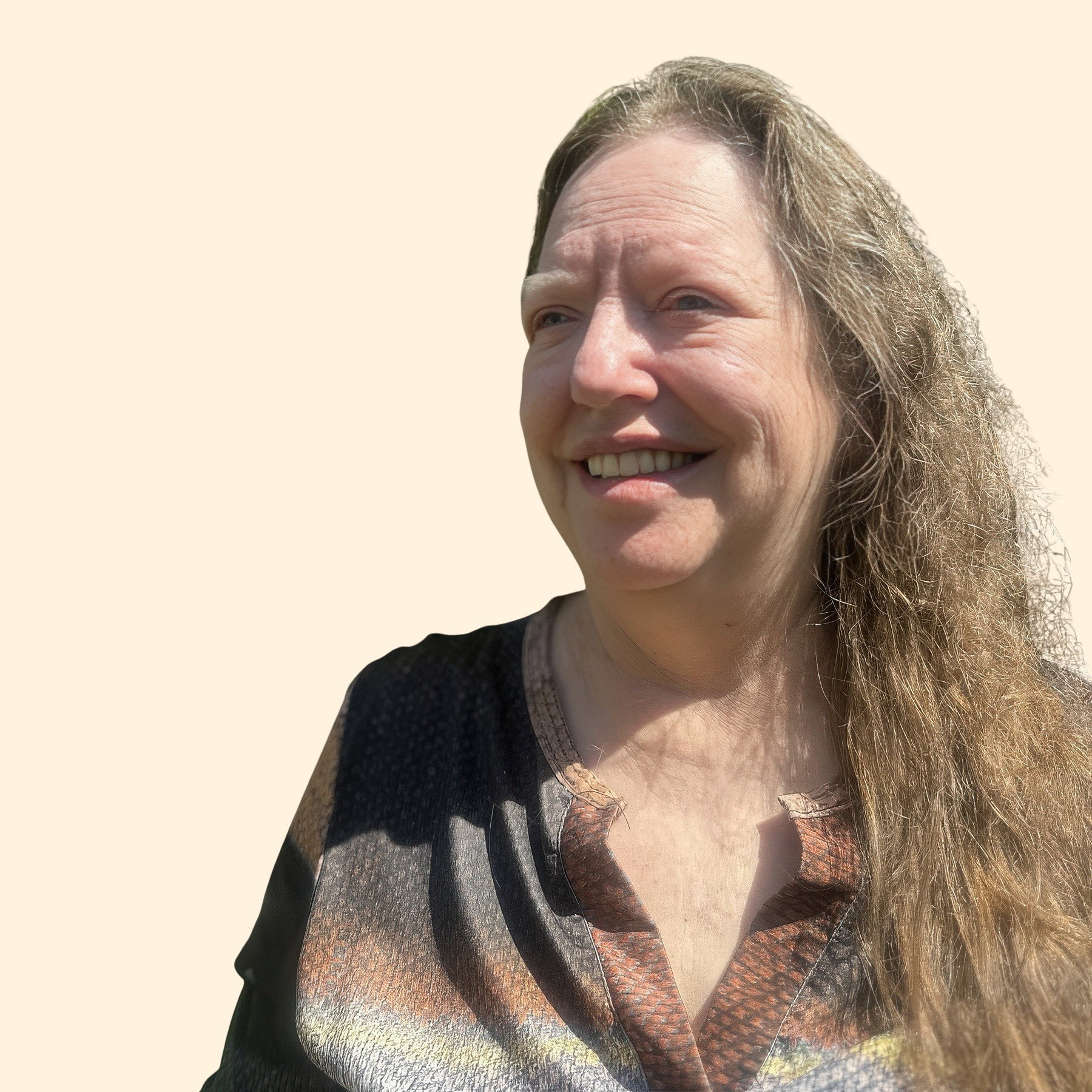
Understanding Postpartum Depression
Postpartum Depression is a mood condition that can happen after childbirth, causing strong, lasting feelings of sadness, worry, or emptiness. Common signs include low energy, changes in sleep or appetite, irritability, trouble concentrating, feeling disconnected from the baby, and sometimes scary or upsetting thoughts. It can make daily tasks feel overwhelming and can affect bonding, relationships, and the ability to care for yourself and your child. Many people blame themselves, but it is a real and treatable health issue. You can find more details about treatment options on the main therapy for this condition page in MiResource.
Common Signs and Symptoms
Symptoms of Postpartum Depression can look different from person to person and from week to week. Stress, lack of sleep, and daily routines in Alamosa can make feelings stronger some days and lighter on others.
What you might notice internally
- Sleep changes: trouble falling asleep even when the baby sleeps, or sleeping more than usual but not feeling rested
- Foggy focus: losing your train of thought, rereading the same line, or forgetting small tasks
- Irritability and low mood: snapping at small things, feeling flat, or crying more easily
- Pulling back: avoiding texts or visits because it feels exhausting to talk
- Physical tension: tight shoulders, clenched jaw, headaches, or a heavy feeling in the chest
What others might notice
- You seem quieter or more withdrawn during chats, visits, or calls
- Short fuse over minor hassles, like spills or noise, that didn’t bother you before
- Skipping plans or making last-minute cancellations to avoid social time
- Slower responses to messages, missing small details, or appearing distracted
- Noticeable tiredness: dark circles, yawning, or mentioning poor sleep even when help is offered
Why This Happens
Postpartum Depression in Alamosa often develops from an interplay of biological, psychological, and environmental influences rather than a single cause. Many new parents experience a mix of physical changes, emotional adjustments, and life stressors that compound each other. Recognizing the combined nature of these factors can help guide more effective support and care. Early awareness and a compassionate approach can make a meaningful difference.
- Biological factors
- Rapid hormonal shifts after childbirth affecting mood regulation
- Sleep deprivation disrupting brain chemistry and resilience
- Personal or family history of depression, anxiety, or mood disorders
- Psychological factors
- Perfectionism and high self-expectations about parenting
- Prior trauma or a difficult birth experience
- Worries about identity changes, bonding challenges, or intrusive thoughts
- Environmental factors
- Limited social support or relationship strain
- Financial or work-related pressures and childcare demands
- Disrupted routines and limited time for rest and self-care
How Treatment Works
Therapy and counseling are common approaches for Postpartum Depression, and evidence-based treatment can be effective. Medication may be considered based on individual needs in coordination with a healthcare professional. Support systems such as groups or peer programs can complement care. In Alamosa, the small-town layout with minimal public transit means short drive times within town, but limited local provider options, varying insurance acceptance, and potential travel can increase total cost.
Finding the right provider in Alamosa
What training and certifications do you have in treating Postpartum Depression, and how long have you worked with postpartum clients? What is your treatment approach (for example, specific therapies you use), and how do you tailor it for postpartum needs? Do you offer in-person and telehealth sessions, and how does scheduling work given Alamosa’s small-town layout, minimal public transit, and short drive times? What is your current availability (including evenings or weekends), what insurance do you accept, and what are your fees or payment options if insurance isn’t accepted or if travel may increase total cost?
Local Care Logistics in Alamosa
In Alamosa, CO, non-emergency supports that complement therapy for Postpartum Depression can include peer connection, practical navigation help for appointments and insurance, and family or parenting support. Valley Wide Health Systems can be a place to ask about primary care coordination and referrals to community resources that fit your coverage and schedule. NAMI Alamosa County can be contacted for education, peer connection, and guidance to local mental health supports. Students can look to Adams State University Counseling Services for campus counseling and student support services. Given limited provider capacity, long waitlists, travel distances, and minimal public transit, planning short in-town trips and using nearby outdoor spaces like the Alamosa River Walk or Cole Park for low-pressure wellness activities can make support more reachable between sessions.
Taking Care of Your Mental Health in Alamosa
Spending time outdoors around Alamosa, CO can offer gentle structure and steadying routines while coping with Postpartum Depression. Light movement and fresh air can help settle the nervous system, lift mood, and support sleep, even in short visits. Simple, repeatable outings—like a brief walk or a quiet sit—can make it easier to get outside without pressure. Natural views can also provide a calm focal point when emotions feel heavy, and returning to the same spot can create a low-effort daily rhythm.
- Alamosa River Walk — riverside views and flat paths for an easy, unhurried stroll; short drive times within town’s small-town layout
- Cole Park — open green space and simple walk loops that can be as short or long as you like; easy to reach with short in-town drives
- Great Sand Dunes National Park and Preserve — wide-open vistas and choose-your-own-distance walking on sand for a gentle reset; a straightforward drive from town
- Zapata Falls — a brief outing with mountain air and a focused destination to pause and breathe; a simple drive from Alamosa
- San Luis Lakes State Wildlife Area — quiet water views and birdwatching for a calm, low-pressure visit; reachable by a short drive from town
Seek emergency help for postpartum depression if you have thoughts of harming yourself or your baby, are unable to care for yourself or your newborn, feel severely agitated or hopeless, or notice confusion, hallucinations, or delusions. Call 911 immediately if there is imminent danger, you cannot ensure safety, or rapid medical help is needed. If you can stay safe while waiting, you can also call 988 for immediate support and guidance, or use local crisis resources for rapid intervention. In Alamosa’s small-town layout with short drive times, going directly to an emergency department is often the fastest option.
1) Recognize a crisis: thoughts of self-harm or harming your baby, inability to function or care for the baby, extreme agitation, or signs of psychosis (hearing/seeing things, paranoia, severe confusion). 2) Call for help: 911 for immediate danger; 988 Suicide & Crisis Lifeline for 24/7 support; San Luis Valley Behavioral Health Crisis Line (719-589-3671) for local help; or San Luis Valley Behavioral Health Group Mobile Response & 24‑Hour Crisis Hotline (regionwide behavioral health crisis intervention) for on‑scene crisis support. 3) Go for urgent care: the nearest emergency departments are San Luis Valley Regional Medical Center or Conejos County Hospital; with minimal public transit, use a private ride if possible for faster arrival. 4) What to expect: a safety assessment, medical and mental health evaluation, stabilization (which may include medication), supervision if needed, and a plan for follow-up care and supports.
Common Questions About Postpartum Depression
Q: When should someone in Alamosa consider seeing a therapist for Postpartum Depression? A: Consider seeing a therapist if low mood, anxiety, irritability, guilt, or sleep/appetite changes persist beyond two weeks after birth or interfere with daily functioning or bonding. Seek help sooner if you have thoughts of harming yourself or feel overwhelmed most days. A therapist can work alongside your medical provider to monitor symptoms. Short drive times in Alamosa may make it easier to schedule visits even with limited public transit.
Q: What should someone do if the first therapist they see in Alamosa isn’t a good fit for Postpartum Depression? A: It’s okay to switch; a good therapeutic fit matters for progress. Ask for referrals to another clinician or a different therapy approach, and consider virtual options to widen choices when local providers are limited. Clarify costs, insurance acceptance, and any travel time that could add to total expense. Keep notes on what did and didn’t feel helpful to guide your next choice.
Q: Can virtual therapy help with Postpartum Depression for someone in Alamosa? A: Virtual therapy may be effective for many people with Postpartum Depression, offering flexibility around feeding, naps, and childcare. It reduces travel demands, which can be helpful given minimal public transit and the need to manage short but frequent trips. Ensure you have a private space and a reliable connection, and discuss safety planning with the therapist. Some people prefer a mix of virtual and in-person sessions based on comfort and needs.
Q: What should someone ask when choosing a therapist in Alamosa for Postpartum Depression? A: Ask about their experience and training with Postpartum Depression and approaches like CBT or IPT. Clarify availability, wait times, telehealth options, and how they coordinate with medical providers if medication is considered. Discuss fees, insurance acceptance, and any additional travel or time costs. You can also ask about their style, how progress is tracked, and what to expect between sessions.
Q: Does therapy for Postpartum Depression help over time for someone in Alamosa? A: Many people notice gradual improvement over weeks to months with consistent therapy, though timelines vary. Progress can be steadier when sessions are regular and goals are revisited, whether in person or virtually. Combining therapy with social support and, when appropriate, medication may enhance outcomes. Stay in communication with your therapist if symptoms persist or worsen so the plan can be adjusted.
Local Resources in Alamosa
MiResource can help you search for clinicians in Alamosa, CO who treat Postpartum Depression. You can filter by insurance, specialty, and availability to find someone who fits your needs.