


Brooke Griffith
Psychologist
Remote only
Brooke Griffith is a Psychologist in undefined, undefined and has been in practice for 25 years. They treat Alcohol Use, Drug Use, Burnout.
Quality psychological care for a more fulfilling life.
View profile
 Medically reviewed by Gabriela Asturias, MD on May 23, 2025
This MiResource page supports people in Flint dealing with Alcohol Abuse. You’ll learn what Alcohol Abuse is, how treatment works step by step, and practical ways to find local therapists who treat it, with guidance for navigating limited transit and insurance-based access.
Psychologist
Remote only
Brooke Griffith is a Psychologist in undefined, undefined and has been in practice for 25 years. They treat Alcohol Use, Drug Use, Burnout.
Quality psychological care for a more fulfilling life.

Psychiatrist
Remote only
Michael Roman is a Psychiatrist in undefined, undefined and has been in practice for 8 years. They treat Alcohol Use, Postpartum Depression, Trichotillomania (hair pulling).
Dr. Roman is fully licensed to practice medicine in Connecticut, NY, Pennsylvania, and Michigan, with the authority to prescribe all psychiatric meds
Licensed Clinical Social Worker (LCSW)
Remote only
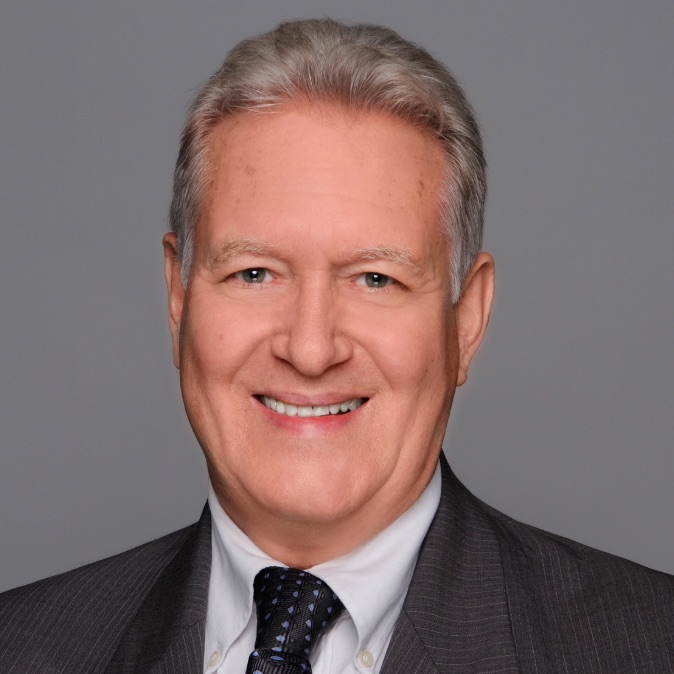
John Watts is a Licensed Clinical Social Worker (LCSW) in undefined, undefined. They treat Alcohol Use, Aging, Self-Esteem.
Welcome to my virtual office. I’m happy to help you find a more happy, healthy & wholesome lifestyle

Associate Marriage and Family Therapist, Marriage and Family Therapist (MFT)
Remote only
Kimberly Jones-Carr is a Associate Marriage and Family Therapist in undefined, undefined and has been in practice for 5 years. They treat Alcohol Use, Obsessive Compulsive Disorder (OCD), Loneliness/Isolation.
Welcome to therapy all are welcome from all different backgrounds. I am certified Dialectical Behavior Therapy, work with victims from all trauma.
Counselor
Remote only
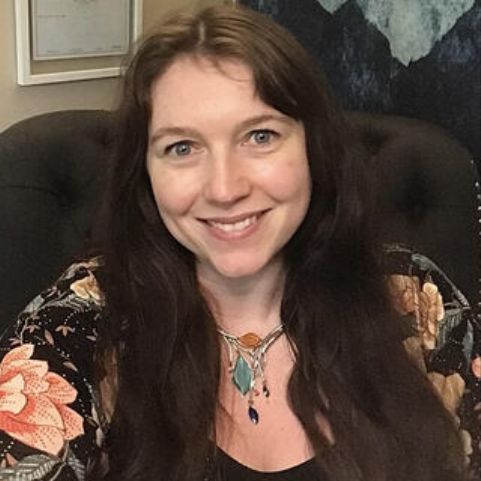
Kaitlyn Hanna is a Counselor in undefined, undefined. They treat Alcohol Use, Career, Abuse.
I am a solutions focused therapist who strives to create an environment where people feel safe to grow.
Counselor
2350 Green Rd, Ann Arbor, Michigan 48105
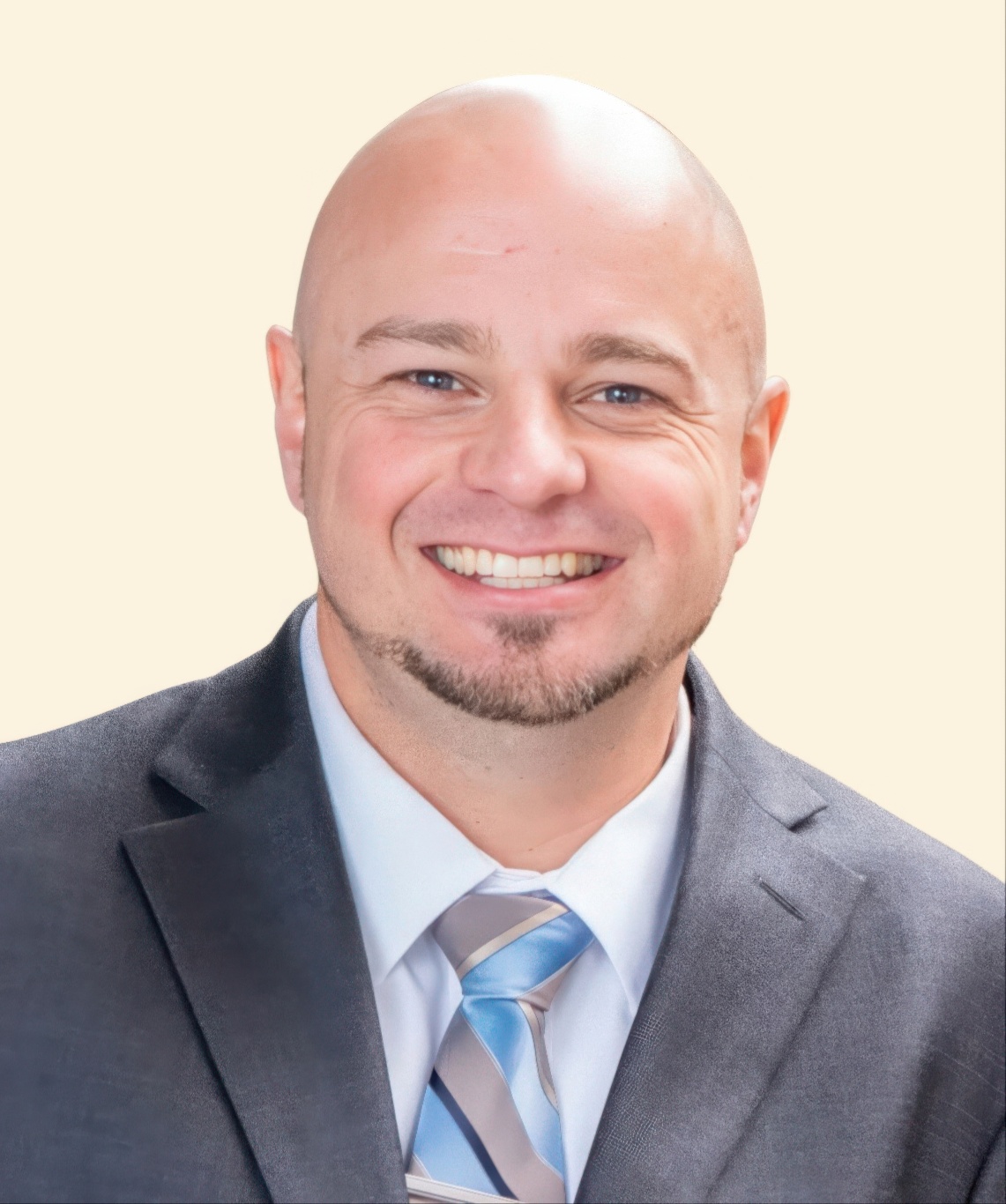
Jason Gerou is a Counselor in Ann Arbor, Michigan. They treat Alcohol Use, Posttraumatic Stress Disorder (PTSD), Substance Use.
Jason Gerou is a Counselor located in Ann Arbor MI, and is accepting new patients
Alcohol abuse is a recognized mental health condition where a person’s drinking leads to problems in health, work, school, relationships, or safety. Mental health organizations define it by patterns such as drinking more or longer than intended, trouble cutting down, strong cravings, and continuing to drink despite harm. It may also include risky situations (like driving after drinking) and spending a lot of time getting, using, or recovering from alcohol. It is a health disorder—not a personal weakness—and effective help is available.
Below are common signs of Alcohol Abuse to help you spot concerns early and consider whether talking with a professional in Flint could be helpful. Experiences differ, and if any of these resonate, support is available.
Alcohol Abuse in Flint often develops through a mix of influences rather than a single cause. Biological vulnerabilities, personal coping patterns, and day-to-day surroundings can interact over time. Recognizing these overlapping factors can help guide realistic prevention and support. No single pathway explains everyone’s experience.
In Flint, MI, getting professional help for alcohol abuse can provide structured coping strategies, relapse-prevention skills, and support to make sense of what you’re experiencing. Regular sessions can reduce the impact on daily life by setting achievable goals and building routines that fit your situation. Providers can help you map out practical plans for care, taking into account limited public transit coverage, common car travel, and the possibility of longer travel times for specialty care. They can also work with you to navigate insurance-based access, limited provider supply, and reliance on regional systems that may affect cost and timing. With consistent guidance, small gains add up, and even with these constraints, you can make steady progress toward stability.
Choose therapists who are licensed in Michigan for Alcohol Abuse care, as many insurers only reimburse in-state providers and telehealth laws often require your clinician to be licensed where you live. This helps avoid claim denials and ensures your therapist can legally treat you by video or phone. MiResource can filter results by licensure so you can quickly find Michigan-licensed providers.
Accessing alcohol abuse care in Flint can take planning. If you’re in Downtown, Carriage Town, College Cultural Neighborhood, or Mott Park, limited public transit coverage means car travel is common and specialty visits may require longer trips. Insurance-based access varies, and limited provider supply plus reliance on regional systems can affect cost and timing, so confirm network status and any referral steps early. University of Michigan–Flint and Kettering University schedules, along with summer peaks and holiday shifts, can tighten appointment availability; book ahead around these periods and watch for openings when terms change. To reduce friction: use telehealth for follow-ups or assessments when offered; ask about early-morning, evening, or weekend slots; request to be called for cancellations and consider joining more than one waitlist. Build extra travel time and verify parking or transit connections before each visit.
Building small outdoor moments into your week in Flint, MI can steady mood and cravings while coping with Alcohol Abuse, because light movement, fresh air, and natural light help regulate sleep and stress. A simple walk or sit in a green space offers a low-pressure reset and a place to breathe when routines feel shaky. Water views, trees, and open paths can calm the nervous system and make it easier to check in with yourself without screens or noise. Aim for short, repeatable visits so it’s doable around work and life demands, and consider planning around car travel given limited public transit coverage.
Seek emergency help for Alcohol Abuse if there is severe intoxication with confusion, vomiting, seizures, trouble breathing, head injury, or if withdrawal symptoms (tremors, hallucinations, seizures) start; also act urgently if there are thoughts of self-harm or harm to others. Call 911 for any life-threatening symptoms or if the person is unresponsive, cannot be safely transported, or safety is at risk. If not immediately life-threatening, you can call 988 for guidance and safety planning, or go to Hurley Medical Center or McLaren Flint for urgent evaluation and stabilization. If you’re unsure, err on the side of calling 911 or 988 for support.
1) Recognize a crisis: extreme intoxication, repeated vomiting, seizures, chest pain, confusion, severe agitation, injuries, withdrawal signs (shaking, sweating, hallucinations), or any suicidal thoughts. 2) For imminent danger, call 911; for immediate emotional support and guidance, call 988 or the Genesee County Crisis Line (810-257-3740); you can request the Genesee Health System Mobile Crisis Team when appropriate. 3) If safe to travel in Flint, go to the emergency departments at Hurley Medical Center or McLaren Flint; consider that there is limited public transit coverage, car travel is common, and there may be longer travel times for specialty care. 4) In urgent care or the ER, expect medical stabilization, withdrawal management, screening for injuries or other conditions, safety assessment, and referrals or linkage to follow-up treatment.
Q: When should someone in Flint seek a therapist for Alcohol Abuse? A: Consider seeing a therapist if alcohol use is causing problems at work, school, or in relationships, or if it’s hard to cut down on your own. Frequent cravings, withdrawal symptoms, or drinking to cope with stress are also signs that support could help. If safety is a concern for you or others, reach out sooner rather than later. In Flint, longer travel times for specialty care can add delays, so starting the process early can be helpful.
Q: What should I do if the first therapist I see in Flint isn’t a good fit for Alcohol Abuse? A: It’s common to try more than one therapist before finding a good match. You can ask for a referral, adjust the therapy approach, or look for someone with specific experience in Alcohol Abuse. If travel is difficult due to limited public transit in Flint, consider therapists closer to your usual routes or offering virtual sessions. It’s reasonable to discuss your goals and preferences and make a change if needed.
Q: Can virtual therapy help with Alcohol Abuse if I live in Flint? A: Virtual therapy can provide structured support, coping strategies, and relapse-prevention planning for Alcohol Abuse. It may be especially helpful in Flint where car travel is common and specialty care may require longer trips. Some people prefer the privacy and scheduling flexibility. While not a fit for every situation, many find it a practical way to stay engaged in treatment.
Q: What should I ask when choosing a therapist in Flint for Alcohol Abuse? A: Ask about their experience treating Alcohol Abuse, including approaches like CBT, motivational interviewing, or relapse prevention. Clarify availability, wait times, and whether they offer virtual sessions to reduce travel demands. Discuss insurance coverage and out-of-pocket costs, since access and pricing can vary in Flint. It’s also helpful to ask how progress is tracked and how often you’ll review your goals.
Q: Does therapy for Alcohol Abuse help over time for someone in Flint? A: Many people see gradual benefits from consistent therapy, such as fewer harmful drinking episodes and better coping skills. Progress can vary, and setbacks may occur, but ongoing support often builds resilience and insight. Access and timing in Flint may be affected by provider supply, so steady engagement—whether in person or virtual—can help maintain momentum. Combining therapy with other supports, as appropriate, may enhance outcomes.
MiResource can help you search for clinicians in Flint, MI who treat Alcohol Abuse. You can filter by insurance, specialty, and availability to find someone who fits your needs.
Recovery is possible. With early intervention, a supportive community, and the right professional care, you can overcome challenges and build a fulfilling life. We’re here to help you find the support you need.


